Military Forensics Jobs - If you think scientific research is limited to the public sector, think again. The research biologists and toxicologists behind the scenes dive deep into the data to advance the safety of our soldiers. The field is broad and the specialties vary—but as a scientist, you have control over your career and the research you conduct in your lab. You can do everything from studying the effect of solar and ocean energy on our ships, to developing vaccines to fight diseases, to working in laboratories for soldiers in locations around the world.
As a Biochemistry Medical Service Corps officer, you can work with the Naval Criminal Investigative Service (NCIS) or as a member of a Chemical, Biological, Radiological, and Environmental Training (CBRE) team that can deploy, protect your our people against biological, chemical, and nuclear weapons.
Military Forensics Jobs

Upon graduation, those pursuing a career in biochemistry must attend the Officer Development School (ODS) in Newport, RI. The ODS is a 5-week program that provides a comprehensive and rigorous introduction to the responsibilities of Human Resources officers. Here they learn about the US military structure, the rich history of culture and tradition, leadership development and military culture.
Top Jobs You Can Land With A Criminal Justice Degree
It is important to note that the specific training received and the work experience during the service lead to great opportunities and career opportunities in relevant fields in the civilian world.
No matter where you are in your professional career, you can ease your financial burden and advance your career with financial aid and continuing education programs. Additional learning opportunities on this platform include:
Through the Health Professions Loan Repayment Program (HPLRP), you may be able to get financial assistance to pay for your graduate education.
To be considered for a career as an officer in the biochemistry field in the Medical Service Corps, you must meet the following requirements:
Virginia Cyber Warriors Join New England Exercise > Virginia National Guard > News
Doctor. Candidates have an advantage over master's degree applicants, as most positions require graduate-level training.
Working part-time as a Reserve Biochemist or Forensic Toxicologist, your duties will be carried out during internships and internships. During the monthly drill, sailors in the reserve work at a location close to their homes.
With flexible training options, Reserve Medical Service Corps officers can balance civilian and military schedules. You can take charge of your life and work - enriching the good work you do for others. In some cases, you may work in the civilian area where you currently work.
For annual training, you can work anywhere in the world, whether at sea, on land or at bases in countries around the world.
Wounded Veterans Find A New Mission Fighting Child Pornography
Most of the work you do in the reserves is called training. The basic reserve requirement is to train at least one week a month (known as drill) and two weeks a year (known as annual training) - equivalent or
Biologists as officers. Before receiving professional training related to this job, the initial training requirements must be met.
For current or former officers (NAVET): previous experience meets the initial requirements for leadership training - so you do not have to undergo officer training again.
For current or former officers of non-OSVET military branches, including officer candidates with no prior military experience: You must meet the initial leadership training requirements by attending the Officer Development School (ODS ). This is called your first year of training.
Forensic Accountant Career Overview
For current or former officers of non-OSVET military branches, and officer candidates without prior military experience: You must meet the initial leadership training requirements by attending the Executive Commissioned Officer (DCO) School 12 days in Newport, RI. This is called your first annual training 1 / 5 Show Labels + Hide Labels - A US European Criminal Investigation Special Agent shows how to properly show legs to Kosovo NATO NATO personnel during a crime investigation course at Camp Bondsteel, Kosovo, July 13, 2016. (U.S. arm... (Photo credit: U.S.) View original
2/5 Show Caption + Hide Caption - Staff Sergeant Christopher Katzin, a special agent for criminal investigations, shines a light on an image of a leg in a metal trap, during an investigative course for the crime at Camp Bondsteel, Kosovo, July 13, 2016. ( US photo by: Segal Staff Tho... (Photo credit: U.S.) View original
3 / 5 Show Caption + Hide Caption - (left-right) Sergeant Michael Andersen and Sergeant Charles McClarth, two military police officers assigned to the Multinational Battle Group East, analyze a foot condition during of a crime detection course held at Camp Bondsteel, Kosovo, July 13, 2016. (USA... (Photo credit: USA) View original

4/5 Show Caption + Hide Caption - Volunteers from Austria, working as International Military Police, check a bottle for fingerprints during a crime investigation course at Camp Bondsteel, Kosovo, July 13, 2016. (US photo by: Segal Segal Thomas Duvall, Multinati... (Photo credit: USA) View original
Military Law Enforcement Career Options
5/5 Show Caption + Hide Caption - Staff Sergeant Christopher Katzin, Special Agent in Criminal Investigation, dusts for fingerprints during a crime-fighting training course at Camp Bondsteel, Kosovo, July 12-13. (U.S. Photo by: Staff Writer Thomas Duvall, National War... (Photo: U.S.) View Original
CAMP BONDSTEEL, Kosovo- When international military police arrive at a dangerous location in Kosovo, every small detail can make or break their case.
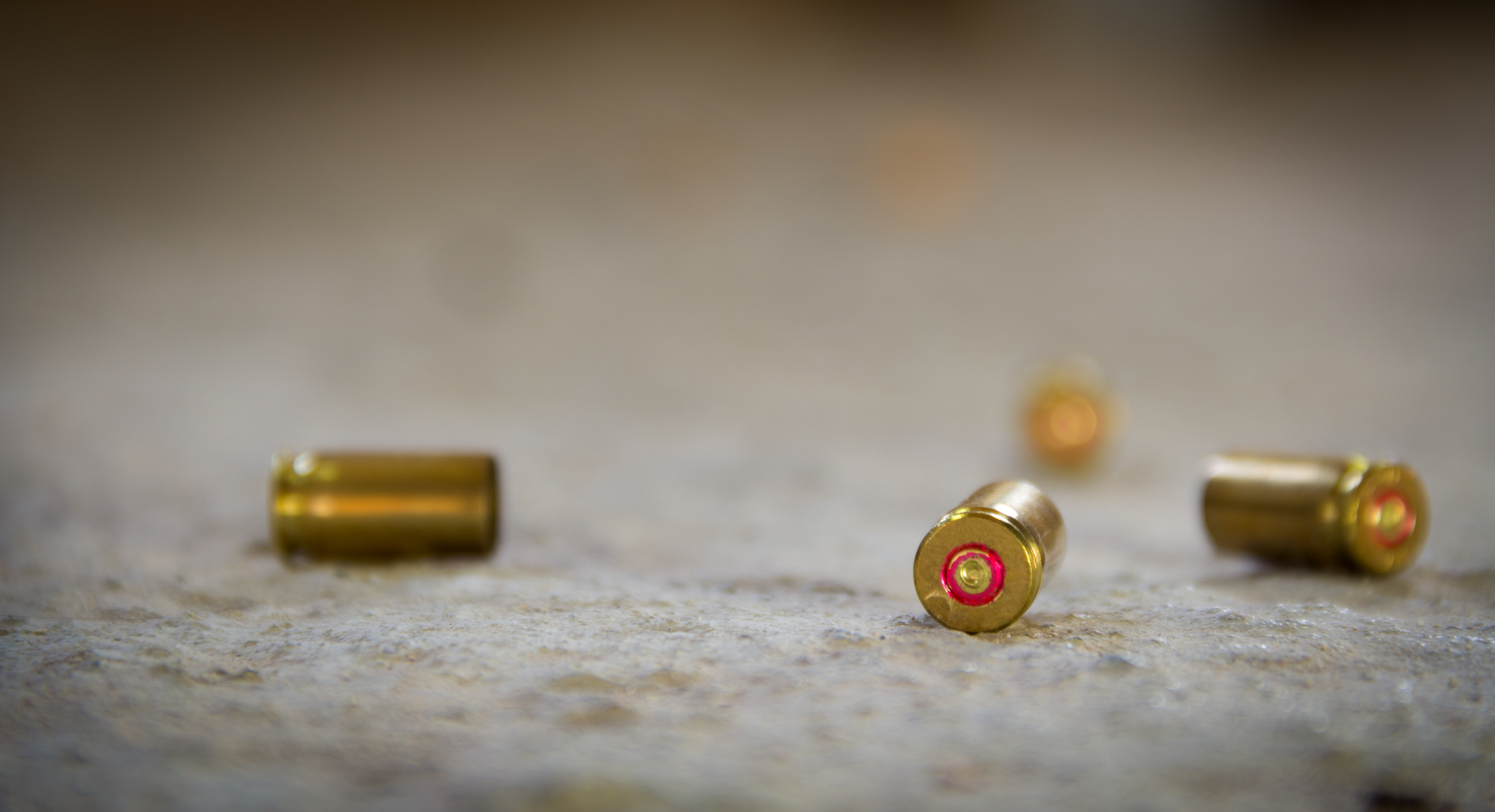
Protecting a crime scene and gathering forensic evidence, whether it's fingerprints or shoe prints, can make a difference in how a criminal walks free or stands trial for his crime.
Regardless of how much or how little the evidence is, military police working with NATO's Kosovo Force must know how to properly collect, record, store and dispose of each piece for later use.
Military Police Officer Basic Course Hi Res Stock Photography And Images
With the help of a criminal investigation team, from USA Europe, the service members deployed to Kosovo have a better understanding of how to carry out this difficult task.
Military police from Austria, Slovenia, Germany, Italy and the US gathered at Camp Bondsteel for an Advanced Intelligence System (CSI) course July 12-13.
The training focused on the investigative techniques used to process and collect evidence, from small-scale clues, including DNA, fibers and hair, to larger pieces of evidence such as fingerprints and fingerprints. electric drive.
"Training is important because if there is a serious crime, MPs need to know what we want, so we can step in and help with the investigation," said Sgt. Christopher Katzin, Special Agent in Charge of Criminal Investigations in the Criminal Investigation Department (CID). "By being able to build a relationship between us and foreign countries we can have a different opinion about the training they received, so if we meet a bad place on the battlefield, we will know We are all where we are going."
Digital Forensic Analyst Job Description
For United States Military Police, the class provided a unique opportunity to practice techniques that are often overlooked in their day-to-day operations.
"This class focused on the police side of our job, not the side," said Sgt. Charles McClarth, a military police officer assigned to Multinational Battle Group East. "As a member of parliament, it's difficult to get practical training that is useful for police work because we work in many functions. of parliament from foreign forces to improving observational skills."
Thanks to the two-day course, McElrath said he and his many colleagues are better equipped to meet the needs of the Kosovo Force and be ready to answer the call if it arises. Hearst Newspapers participates in a variety of affiliate marketing programs, which means that we may earn commissions on editorially recommended products purchased from our affiliate marketing sites.
The U.S. military recruits members for military and civilian roles in research. .
Tech. Sgt. Matthew Reyes Is Warrior Of The Week > Edwards Air Force Base > News
The military operates the same types of forensic laboratories that law enforcement agencies do. Specialists examine the symptoms; body fluids and DNA; and fingerprints. They analyze physical and digital evidence and document analysis. Military scientists testify not only in military courts but also in civilian criminal trials and in many state courts. They also train forensic investigators and consult with federal and state law enforcement agencies, investigators, the private sector, and academia.
Military detectives investigate crimes on military bases in the United States and around the world. They simply don't care about the atrocities associated with war. Instead, they have jurisdiction over crimes committed on the base or in which an active member is involved, from sexual assault to fraud to murder. them
Military drone range, laser range finder military, military range bags, military range targets, long range military radio, military radio range, military range finder, military long range binoculars, range rover military discount, military range rover, range of military drones, military range bag
0 Comments