Military Forensics - Crime is rampant: in and outside the military zone, and even in combat zones, so the Crime Investigation Command must be ready to take on cases anytime, anywhere.
Special Agent Ronald Meyer, former head of forensic training at the US Military Academy, said investigations into battlefield crimes had been "exponential," unlike those in the military. They present their own challenges, including heat, frequent deadlines to operate crime scenes, and the risk of unprecedented attacks, not to mention the potential to find evidence of horrific war crimes such as graves. The great Meyer operated in Iraq in 2003. .
Military Forensics
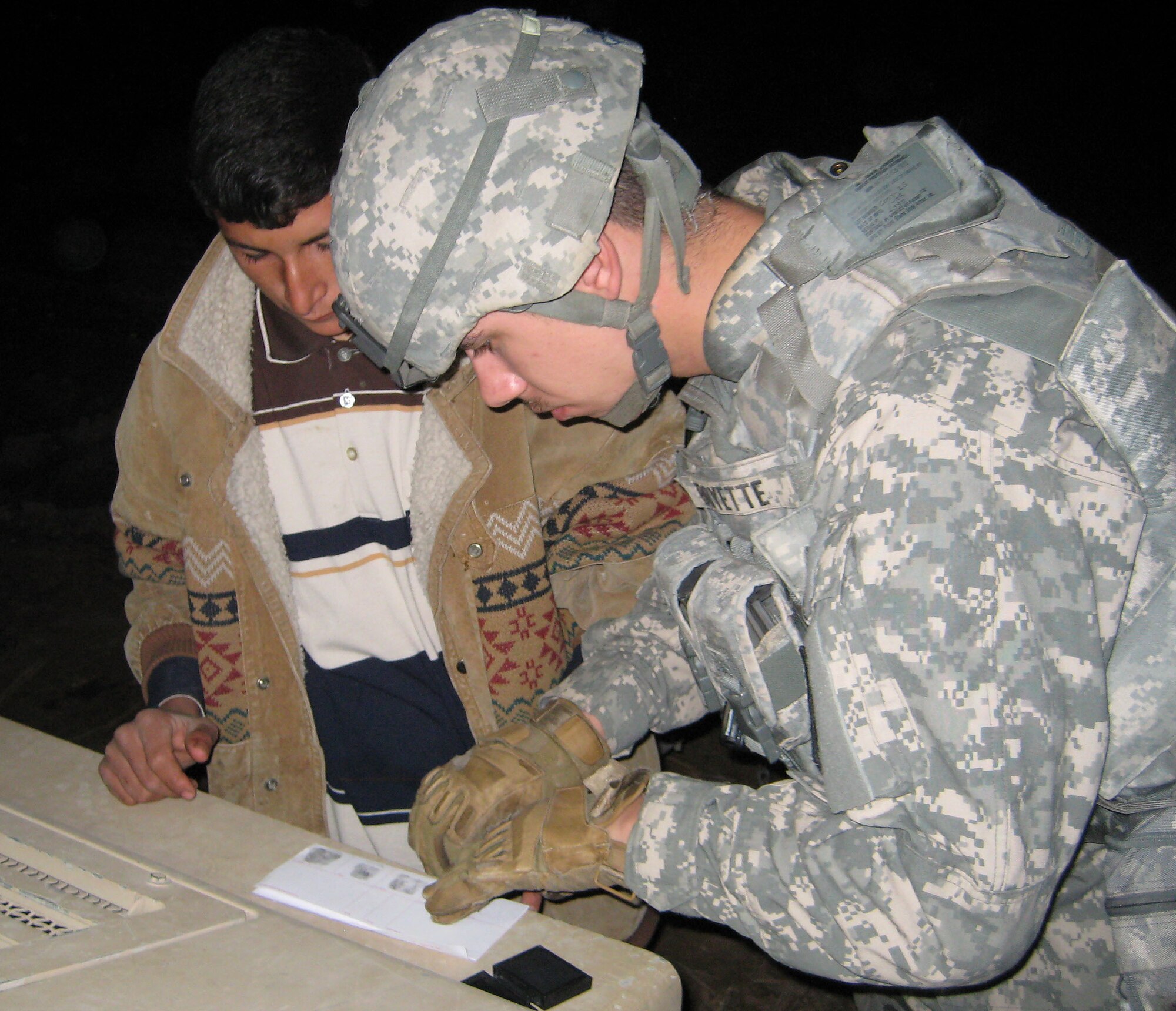
"The threats are different," he said. "We're working on a huge tomb. I'm not worried about staying in one place too long and presenting myself to the enemy... at This is in Fort Leonard Wood, Mo. Crime scene tends to turn into a threat in Iraq and in Afghanistan… So it's very different."
Crime Stoppers: 2nd Leb Maintains Investigation Awareness
However, ordinary soldiers interested in forensic investigations watching crime television programs have become coercive for the agency. In the past, a unit may have cleared a building and detonated or detonated raw explosives, but now they can dust off fingerprints, take bottles of water for DNA testing, and gather other evidence first. .
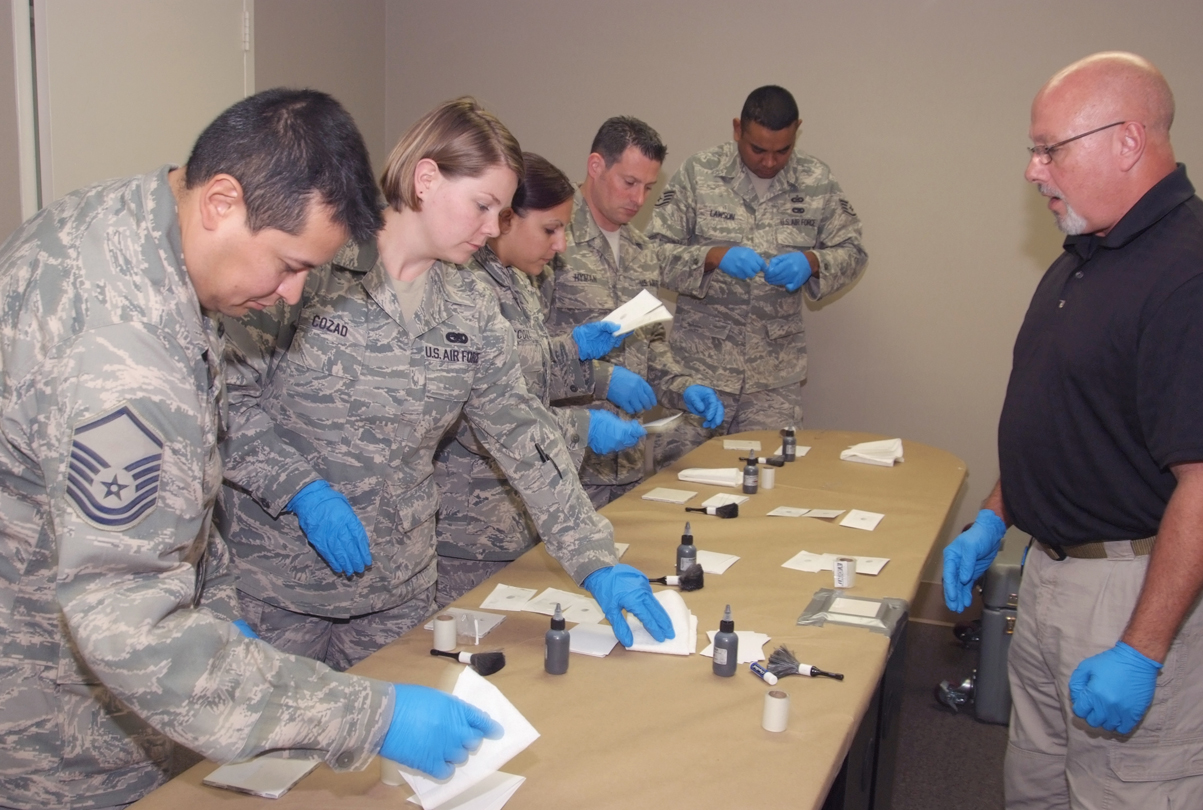
Meyer actually sent mobile training teams to places like the National Training Center in Fort Irwin, California, to teach soldiers positional exploitation and forensics. In addition, the CID provided battlefield forensic equipment to the brigade's combat team, which included powder, fingerprints, brushes, and rubber gloves.
According to Jeff Salyards, director of science and technology (term for research and development) at the US Criminal Investigation Laboratory in Fort Gillem, Georgia. Cameras/computers/printers using the new, rugged, rugged soldier GPS are also hard at work tagging and recording evidence.
"We call it (it) a website exploitation tool," he said. 'Now... low, I'm fighting, I'm wearing helmet gloves. I have a digital camera, hopefully. I have a notepad....it would be nice if we could give them a GPS enabled digital camera, that might have a way to enter information, and maybe a little connected printer that could give you a barcode. So this camera knows who I am, it knows why I was there… it knows where I am. I photographed this. I might have a screen or something where I could type a little bit of information about what it is. And then I click print and now there's a barcode. I don't need a note.
Army Unveils New Army Biometric Program Directive
'The second part is that we partner with the biometrics community. The men in the field already have a strategic biometrics harvesting tool… so we're partnering with those folks to say that's no good instead of saying “this is your website exploitation tool, this is your biometrics”. 'If we just go' This is a tool that can be used for all of that'
"And we're also working on a piece of the internet, so there's a hidden computer on that device... that allows you... to search for some files... there's a USB device here, so if I plug it in .The computer showed me if there was any corrupted files.I am so excited…whatever makes those (rich) kids hold back less….sounds like normal crying….you are holding it.We will make it only more capable for you,” Salyards continued.
Until recently, investigators also had to send all of their evidence back to the state for processing at USACIL. But in 2005, the first joint autopsy facility was established in Iraq to process fingerprints, weapons, and even low-level DNA collection. Since then, JEFFs have also been deployed in Afghanistan, with additional laboratories ready to be deployed as needed.
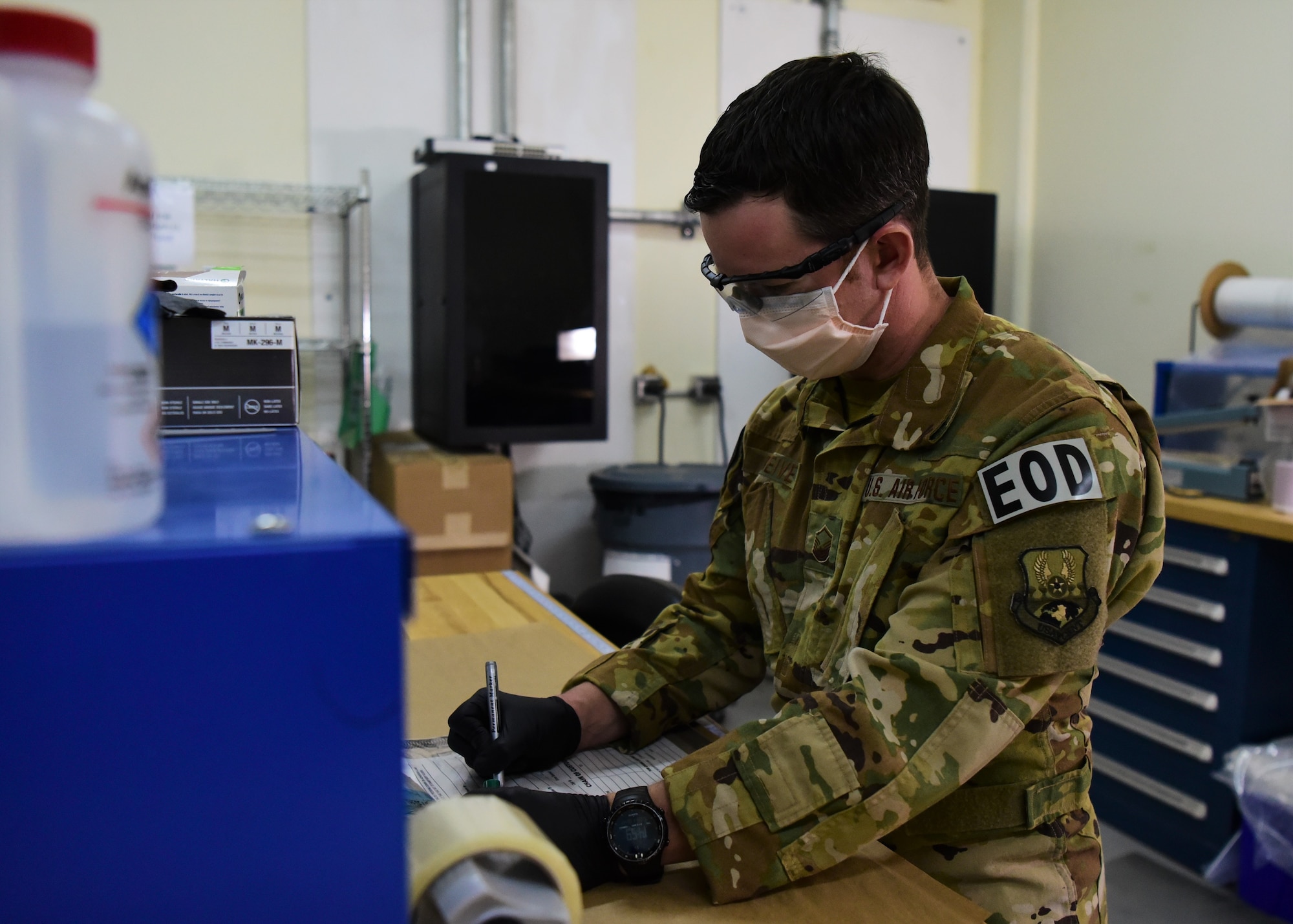
Some labs are still in development and 150 bizarre technicians have yet to be hired, but the ultimate goal is for the team to rotate and spend two months going to the state for every month of deployment. According to Col. Martin Rowe, chief of forensics shipping.
American Servicemembers Provide Battlefield Forensics > Air Force > Article Display
"Challenges have arisen. You know we have all the technology and procedures that have been developed," he said. 'How do you take it and apply it in areas where you don't always have energy or you don't have clean water? Or you have dust and sand. 'The environment is a big challenge.'
Evidence processed at the JEFFs has been used to link senior Taliban leaders to the crime, upgrade watchdogs, increase security, and prosecute criminals in Iraqi courts.
"As far as I know, everyone is very happy with the rotation and initial support we are providing," said Jerzy Mikulski, a retired CID special agent from Afghanistan. 'The time it takes to send the forensic data to the US could mean soldiers' lives are saved. If we process the evidence and it leads to an active investigation or provide some information or data to the combat unit, it is very useful. Having resources on the website or in the cinema provides (a) a timely exchange of information.
"We take weapons, process them for DNA, process them for fingerprints. We send them to weapon markers and devices. Maybe this weapon was previously fired at our soldiers and we found a bullet. And we compare them and we can connect them directly to a group of people or maybe even an individual involved in a sniper attack,” he explains.
Advanced Military Forensics By Bryan Macy
Rowe added that the JEFFs could also be very useful in the event of natural disasters like Hurricane Katrina or the recent earthquake in Haiti because the JEFFs will be able to deploy on a first-come, first-served basis.
This is another thing we're preparing for... When Hurricane Katrina comes, it destroys three or four crime labs - state lab, district lab, and city lab, so they're out of the lab. The National Institute of Justice has gone down there and set up some mobile labs, but we can actually see that… maybe it's not doing forensic work, but identifying the remains… extracting… and taking DNA samples. ', He said.
Meyer added that from identification remaining in mass graves or after natural disasters to keeping insurgents out of operations, the possibilities are endless and will change the future of forensic battles.
Soldiers will take a basic set of law enforcement skills and (apply) them on the battlefield to identify targets, pursue, defend forces, and (drug) that The five forensic functions....the primary evidence collector on the battlefield ... the lab will eventually do the analysis ... if it's not a crime, the analysis will be given Meyers explained Staff Sgt. Luis A. Arryo Avila of the 1st Brigade, 82nd Airborne Division used hand-held intermediate sensors to record the iris of Private Elite V. Rothenberger during a battle forensic study at the Joint Readin ... (Photo Credit: USA) VIEW ORIGINAL
Forensics And Biometrics: Emerging Technologies In Identity Operations
FORTE POLK, La. (News Service, June 3, 2009) - Using computers and huge databases Information analysts are better at weaving together streams of biometric data, mostly fingerprints collected in the field to identify insurgents.
Many fingerprints were extracted from bomb-making equipment by experts after the building was cleared by soldiers, but there weren't enough experts to collect them. Those who think the answer may be private are well trained as part of the Biometric Intelligence Project, an effort to collect, mine and analyze biometric material collected from the battlefield for timely and intelligent productivity.
At the heart of the initiative is a database of over 3.1 million biometric records. To date, the system has created 690 detentions in 18 theaters, trials in Iraq's Central Criminal Court, and barred approximately 59 terrorists from entering the United States.
The system can also be used on the battlefield to flag inmates as producers of non-recyclable explosives.
Units Train For Nuclear Forensics Mission During Exercise Prominent Hunt
Byron Cousin, the retired first sergeant and mobile training team assistant sent to teach forensics at the Joint Training Center here, said, "Because of the private sector, most terrorists have to be smarter than the private sector."
"The cop shouted, 'My cop found the arsenal,' as he rubbed his feet. The cop said, 'Great job, medals, achievements, don't say. Who says you fall over it,'" he joked with the paratroopers Combat teams of the 1st Brigade of the 82nd Brigade during the 4-day forensics course.
Skydivers are trained to use intermediate intermediate identifiers that look and feel like professional cameras without lenses. The device captures iris and fingerprint face images and is designed for field-based relays.
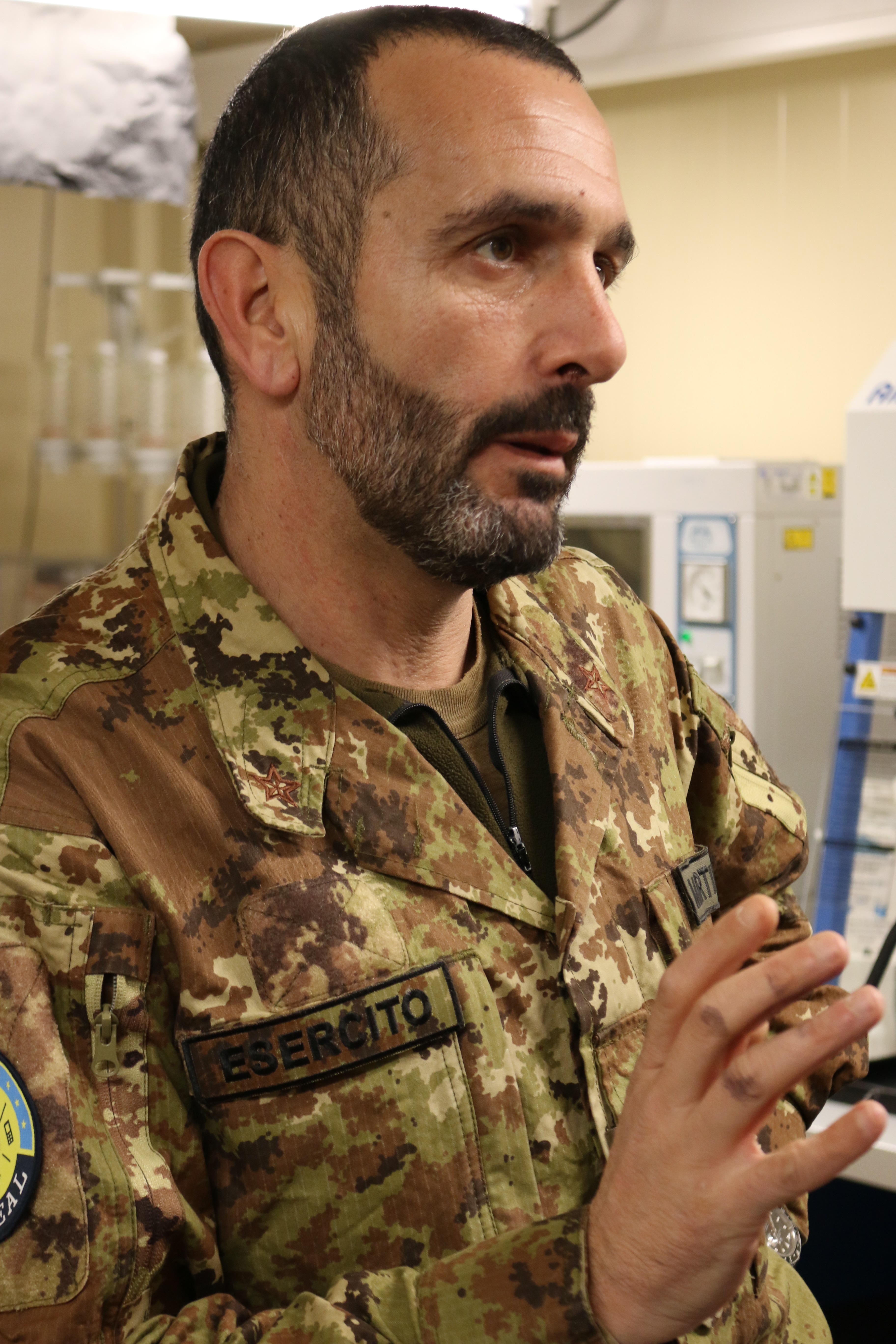
The soldiers then manually moved to the laboratory at another training ground, followed by a two-day battle royale scenario. The 40-hour course concludes with a written test and a final lesson.
Shining Light On Battlefield Forensics
Military drone range, laser range finder military, military range bags, military range targets, long range military radio, military radio range, military range finder, military long range binoculars, range rover military discount, military range rover, range of military drones, military range bag
0 Comments